Why I Became a Milk Donor for Mothers’ Milk Bank: From Donor #21,000

I’ve worked at Rocky Mountain Children’s Health Foundation, the parent organization of Mothers’ Milk Bank, for just over three years. In that time, I’ve learned more about human milk than I ever imagined I would. So when I was expecting my first baby, I felt a special sense of peace knowing that if we needed donor milk when he was born, it would be available.

My little boy arrived in mid-August, and while I didn’t end up needing donor milk because my supply came in hot and heavy late one night, we still faced early challenges with jaundice and slow weight gain. I felt fortunate to have a strong supply and to be able to pump and stash milk for a rainy day. Quietly, I set a goal: if I ever needed to buy a freezer to keep up with all the milk I was saving, I would try to donate at least the minimum amount of 150 ounces.

Fast forward two months and we found ourselves purchasing a much-needed deep freeze to store the several gallon-sized bags taking over our regular freezer. A few weeks later, as the new freezer filled up, I knew exactly who to call.

A milk donor while she was pregnant, when she had her baby, and holding her baby's hand

I wanted to give my milk to families who needed it—families facing the same challenges we did, but without the supply to keep up. As the weeks went on, new challenges emerged. After trying to figure out colic and GI issues for what felt like forever, we finally learned that my little guy had a cow’s milk protein allergy. Suddenly, the small donation I had planned on became much larger.

Because we received his diagnosis before I was officially approved to donate, I anxiously waited for the phone call. Thankfully, just one day later, the call came—we were approved.

Seeing all the milk I had carefully pumped and stored away for my baby, knowing I suddenly couldn’t give it to him, was heartbreaking. But I reminded myself that this milk would now be able feed so many tiny babies. Since a micro preemie may only need about one ounce of milk in an entire day, the milk we shared has the potential to nourish hundreds of babies across the country. Remembering that helped ease the sting of emptying the freezer I was once so excited to fill.

But the biggest reason I hoped to donate was to help other parents.

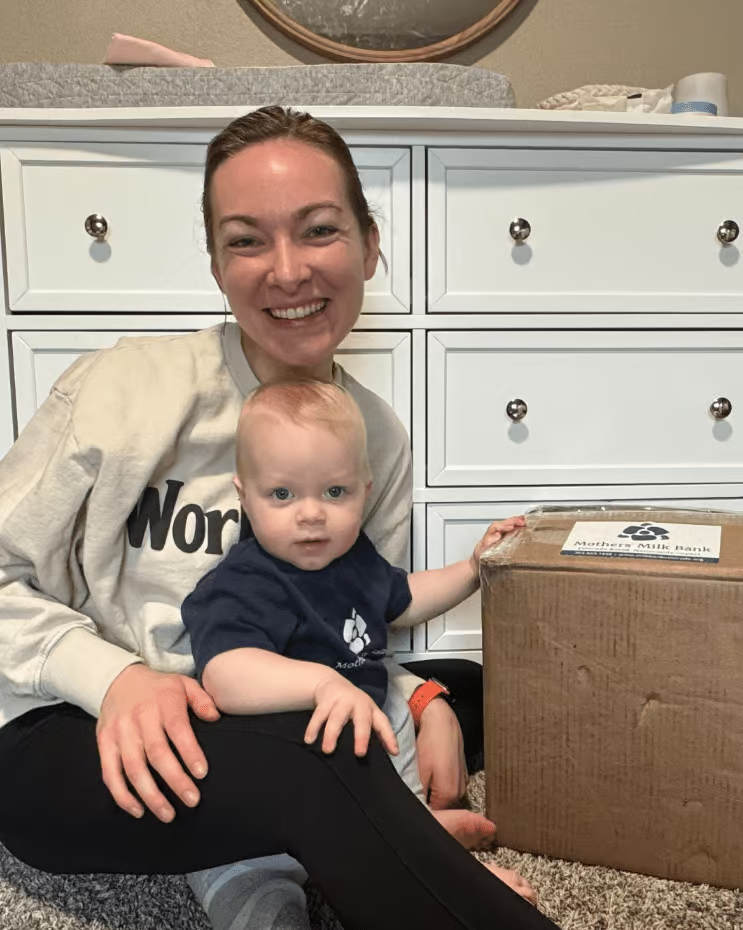
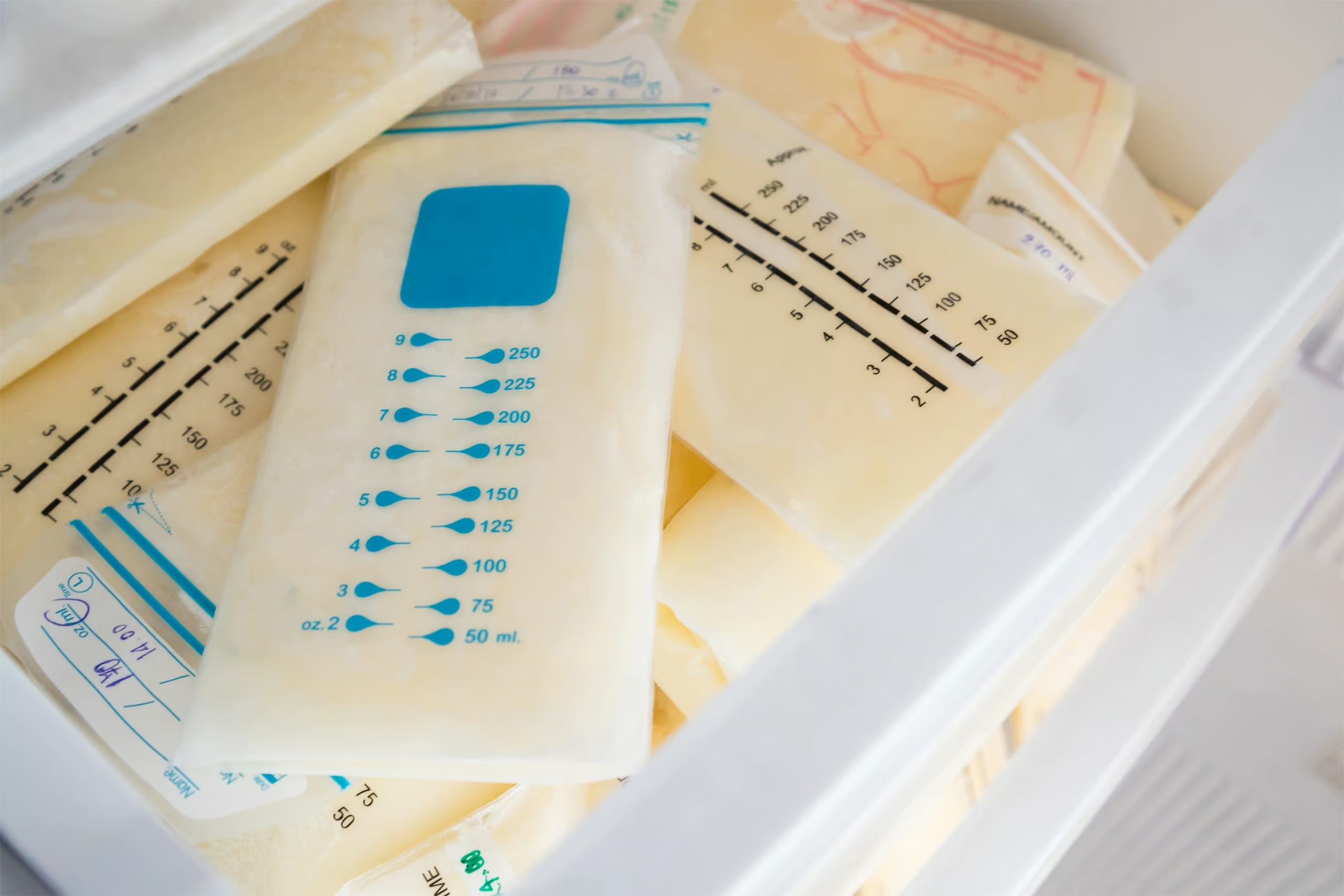
A milk donor's stash and full pumps

Becoming a mom is the best and hardest thing I have ever done. Suddenly, there is a person who didn’t exist before—and I am responsible for him. He needs me more than anyone else and relies on me for food and comfort. It’s incredible, wonderful, and intense. And it’s really hard.

Your heart becomes completely wrapped up in this tiny human, and your thoughts constantly jump between: Is he eating enough? Is he in pain? How will this change affect him? And of course, my personal favorite: Will this choice I’m making completely ruin his life?

If I could give another parent even a moment of peace seeing their child relax after filling their tummy, then I’d feel like I had done right by my son. Hopefully, donating sets an early example of kindness he can carry with him.

There are so many reasons why milk donation matters, and I’m incredibly proud to be one of more than 21,000 donors who have generously shared this precious resource. If you are a lactating parent with more milk than your baby needs, I encourage you to consider donating.

The process is simple (I know from experience), and you’ll be so glad you did.

DENVER – AUGUST 2025 – August 2025 is officially Colorado Breastfeeding Month, thanks to a proclamation from Governor Jared Polis. This designation aligns with National Breastfeeding Awareness Month, celebrated nationwide during August.

The proclamation for Colorado Breastfeeding Month highlights the significant health benefits of breastfeeding for both infants and mothers, recognizing the important role human milk plays in creating “a foundation for lifelong health and wellness.” Breastfeeding provides essential nutrients and antibodies that protect infants from infections and diseases, promotes healthy growth and development, and strengthens the bond between parent and child. For breastfeeding parents, it can also reduce the risk of certain cancers, improve postpartum recovery, and contribute to overall well-being.

In the proclamation, Governor Polis emphasizes the “consistent and well-documented health, economic, and environmental benefits of human milk feedings” and recognizes the importance of “equitably address[ing] the needs of lactating and non-lactating parents and the providers that serve them.”

In addition to promoting breastfeeding, Colorado Breastfeeding Month is a time to emphasize the importance of milk donation. The benefits of human milk are well-established, though not all parents are able to breastfeed, at least not right away. Donor milk provides critical support for their babies, especially those born prematurely or with serious health complications.

Mothers’ Milk Bank, an Arvada-based nonprofit organization, works with breastfeeding parents with excess milk, collects and safely pasteurizes that milk, and distributes it to hospitals across Colorado and beyond. Donating milk to Mothers’ Milk Bank is a powerful way for lactating parents to give back to their community, both saving the lives of the most vulnerable babies and offering critical emotional relief to other new parents.

“Donating milk truly makes a life-saving difference,” says Rebecca Heinrich, Director of Mothers’ Milk Bank. “Right now, the need for donor milk is growing, and we’re calling on our community to help us meet the need. If you’re a new parent with extra milk, this is a powerful way to give back, and Colorado Breastfeeding Month is the perfect time to start.”

To donate milk, interested parents can contact Mothers’ Milk Bank at 303-869-1888 or visit milkbankcolorado.org.

Proclamation for Colorado Breastfeeding Month 2025

New parents looking for resources on breastfeeding can visit The Colorado Breastfeeding Coalition’s website at www.cobfc.org. The Coalition collaborates with healthcare providers, policymakers, and community organizations like Mothers’ Milk Bank to help create a breastfeeding-friendly environment in the State of Colorado, ensuring parents have the support and education they need.

“We’re excited and grateful that Governor Polis declared August as Colorado Breastfeeding Month for the second year in a row,” said Katie Halverstadt, RN, IBCLC, and Chair of the Colorado Breastfeeding Coalition. “Breastfeeding plays such an important role in public health, and this recognition is a meaningful step towards building more awareness, support, and celebration of breastfeeding families here in Colorado.”

For premature infants, the first days and weeks of life are often fraught with challenges, as their tiny bodies continue to develop outside the protective environment of the womb. One of the most serious threats these fragile newborns face is necrotizing enterocolitis (NEC), a devastating gastrointestinal disease that primarily affects preterm infants. However, research has shown that one of the most effective ways to reduce the risk of NEC is by providing these infants with human milk. If their parent’s own milk is not available yet, as can often be the case for premature babies, donor human milk makes an incredible difference.

What is Necrotizing Enterocolitis?

Necrotizing enterocolitis is a condition that leads to inflammation and, in severe cases, the death of intestinal tissue. It can result in life-threatening complications such as sepsis, perforation of the intestines, and long-term digestive issues. NEC typically occurs in preterm infants due to their underdeveloped immune systems and immature digestive tracts, which make them more susceptible to harmful bacteria and inflammation.

A NICU baby receives donor human milk which can help prevent Necrotizing enterocolitis

The Role of Human Milk in Necrotizing Enterocolitis Prevention

Studies have consistently demonstrated that human milk offers greater protection against NEC than formula. This is due to its unique composition, which includes beneficial components such as:

  • Immunoglobulins and Antimicrobial Proteins: These help strengthen the infant’s immune system, reducing the risk of infections that can contribute to NEC.
  • Human Milk Oligosaccharides (HMOs): These prebiotic compounds promote the growth of beneficial gut bacteria, which play a crucial role in protecting against harmful pathogens.
  • Anti-inflammatory Properties: Human milk contains bioactive factors that help regulate inflammation, reducing the risk of excessive immune responses that can damage the intestines.

Donor Human Milk: A Vital Alternative

While a parent’s own milk is always the best option, it is not always available due to various medical or personal reasons. In such cases, donor milk, sourced from screened and healthy lactating parents, serves as the next best alternative. Donor milk is carefully pasteurized and processed in human milk banks to ensure safety while preserving many of its protective benefits.

Non-profit milk banks like Mothers’ Milk Bank play a crucial role in providing safe, donated human milk to hospitals and NICUs. They work with donors to collect, pasteurize, and distribute milk to premature infants who need it most. Several studies have shown that preterm infants who receive donor human milk instead of formula experience significantly lower rates of NEC. As a result, many neonatal intensive care units (NICUs) now prioritize the use of donor milk when a parent’s own milk is limited or unavailable.

Supporting Milk Donation and Awareness

Donor milk is only possible because of generous milk donors who choose to share their surplus milk. Mothers’ Milk Bank helps facilitate this process by making it as easy as possible for mothers to donate and ensuring that their milk reaches infants in need—but there’s a lot you can do to help, too.

Here are some of the ways you can support the use of donor milk:

  1. Spread the Word! Encouraging more families to donate breast milk can help ensure that all vulnerable premature infants have access to this life-saving resource.
  2. Ensuring donor milk is in your facility. Healthcare providers and policymakers play a crucial role in supporting milk banks and integrating donor milk programs into NICUs across the country.
  3. Donate! Whether donating milk or funds, you can help make donor milk available for more babies across the country.

NEC remains one of the most severe conditions affecting preterm infants, but its risk can be dramatically reduced through the use of human milk. At Mothers’ Milk Bank we believe that by raising awareness and increasing access to donor milk, we can give these tiny fighters a stronger start in life.

Becoming a milk donor for Mothers’ Milk Bank is a generous act that provides vital nutrition to infants in need, particularly those who are premature or have medical conditions. Mothers’ Milk Bank, a member of the Human Milk Banking Association of North America (HMBANA), has established a streamlined process to ensure the safety and efficiency of milk donation. ​

1. Complete the Donor Interest Form

Begin by filling out the Donor Interest Form, which gathers basic information to initiate the screening process. This step takes approximately five minutes and works best with Chrome, Firefox, or Safari browsers.

2. Phone Screening

After you submit the initial form, our team will contact you by the next business day. Alternatively, you can contact Mothers’ Milk Bank at 303-869-1888 for a verbal screening. This 10-15-minute call assesses eligibility, addresses questions, and outlines the next steps.

3. Submit the Donor Screening Form

Next, complete a detailed online screening form covering medical history, medications, and lifestyle factors. You will also need to complete consent forms and agree to donate your milk to Mothers’ Milk Bank. This information helps confirm that donation is suitable for you and your family.

4. Review by Mothers’ Milk Bank

The milk bank staff reviews your screening form and sends necessary documents to your healthcare provider for confirmation of your medical history. ​ You will receive an email with instructions for the next step within a few days of submitting the forms.

5. Complete Bloodwork

Visit a local lab or healthcare provider to complete blood tests, screening for potential infections that could affect the milk. Lab processing takes 3-5 days.

6. Begin Donating

Once approved, you can start donating immediately. Options include dropping off milk at the milk bank or a convenient Milk Depot, shipping via FedEx, or arranging for courier pickup. Mothers’ Milk Bank provides supplies and covers costs to facilitate the process. ​

Eligibility Criteria

To become a milk donor, you must:

  • Have a surplus milk supply beyond your own baby’s needs.​
  • Take only approved medications, vitamins, and supplements.
  • Not consume nicotine or tobacco in any form.
  • Have no risk factors prohibiting blood donation (exceptions may apply).
  • Adhere to guidelines for caffeine and alcohol consumption.
  • Practice exceptional hygiene and proper milk collection and storage methods.​
  • Be willing to undergo blood testing.​
  • Be less than 24 months postpartum when collecting milk.

By following these steps and meeting the eligibility criteria, you can play a crucial role in providing life-saving nutrition to infants who need it most.

For more information or to get started, contact Mothers’ Milk Bank at 303-869-1888 or toll-free at 833-234-0555.

Ready to get started now?

For many breastfeeding parents, supplemental feeding during the birth hospitalization is sometimes necessary. Whether due to medical reasons or personal choice, parents often face a decision between using formula or donor human milk. Research suggests that donor milk supplementation may encourage breastfeeding parents to continue nursing, helping them return to exclusive breastfeeding more successfully.

A recent study found that parents often view donor milk as a temporary solution while seeing formula as a more permanent shift. This perception makes donor milk an ideal option for short-term supplementation, as it allows parents to maintain their breastfeeding goals without feeling like they are transitioning away from nursing.

However, barriers to donor milk use remain. Many parents are unfamiliar with it, and cost and access can be challenges. Despite this, parents in the study perceived donor milk as a healthier choice for their baby, reinforcing the idea that it supports continued breastfeeding.

By increasing awareness, accessibility, and affordability of donor human milk, hospitals and healthcare providers can better support breastfeeding parents, ensuring they have the resources they need to continue their breastfeeding journey with confidence.

Healthcare providers play a pivotal role in the success or disappointment of parents who choose to breast/chestfeed. Support, education and encouragement prenatally begins a successful breast/chestfeeding journey for the feeding dyad and can help build a healthy milk supply. In order for new families to be educated by their HCPs, the HCP needs to be educated. Some key messages families need to hear about the first few days postpartum are:

black mother breastfeeding her baby
  • Skin to skin contact – Parent-infant SSC and initiation of breast/chestfeeding within the first hour after birth has beneficial effects on feeding and can increase the success rate and duration of the first lactation. Hospital policies that make this practice a priority for all have shown to make an impact long term (Source)
  • Nip it in the bud – Addressing any seemingly small issues like latch or milk supply immediately rather than waiting a day or two can prevent morbidities like lost milk supply, sore or bleeding nipples, or infections. If a HCP practice does not have a certified lactation consultant on staff, get to know the IBCLCs in your area so you can readily refer to them when issues with patient dyads come up.
  • Empty the breast – While the lactating breast is never really empty, sage advice is to remove milk so that the body knows to make more milk. If the baby is not effectively removing milk, then an effective pump is needed to do so. Putting baby to chest 8-12 or more times per day is the rule of thumb. Newborns may need to just hang out on the chest skin-to-skin during the first few days, so they have unlimited access. There is no magic herb, food, supplement, tea, tincture, etc. that is proven to do more for your supply than regular, frequent milk removal.

Read additional resources about maintaining a great milk supply from Breastfeeding Medicine and AAP. You can find an IBCLC using this directory from the International Lactation Consultant Association here. Breastfeeding USA also has a free warmline: 612.293.6622

A 2021 study from UCLA on the positive long-term effects of breastfeeding on a lactating parent’s cognitive health has yielded fascinating results. The study found marked differences in learning, recall, processing speed, and executive functioning when comparing women over 50 who had not breastfed and a group that had. Establishing controls for age, race, education, and reproductive history, the researchers also analyzed the effects of depression, as this possible cofounder has been associated with both lower breastfeeding rates and worsened geriatric cognitive performance.

Molly Fox, PhD, lead author of the study and Assistant Professor at the UCLA Department of Anthropology and Department of Psychiatry and Biobehavioral Sciences, said: “[W]hile many studies have found that breastfeeding improves a child’s long-term health and well-being, our study is one of very few that has looked at the long-term health effects for women who had breastfed their babies. Our findings, which show superior cognitive performance among women over 50 who had breastfed, suggest that breastfeeding may be ‘neuroprotective’ later in life.” (UCLA Health, “New study suggests that breastfeeding may help prevent cognitive decline“).

The researchers hypothesize that the cognitive differences stem from the “persistent organizing effects [lactation has] on maternal physiology” (Fox et al, 2021). The study has created opportunities for further research to clarify the biomechanisms at play, especially considering the uncertain roles of lactation-related hormones such as prolactin and oxytocin and fewer menstrual cycles.

Findings from this study, illustrate the importance of supporting breastfeeding parents, and the magic that human milk feeding can have on both parents and their babies.

Welcoming my precious bundle of joy into the world was a moment of pure bliss. The early days of parenthood were a whirlwind of wonder, sleepless nights, and the unmatched joy of nurturing a newborn. As the weeks passed, I realized I was producing more milk than my little one could consume. Rather than letting this surplus go to waste, I saw it as an opportunity to give the gift of life to others in need.

With a heart full of compassion, I began researching milk donation. I discovered the incredible impact milk banks have on the lives of premature and critically ill infants. The stories of these fragile newborns fighting for survival deeply moved me, sparking a fervent desire to make a difference. Determined to help, I reached out to Mothers’ Milk Bank to learn how I could become a donor.

Mothers’ Milk Bank welcomed me warmly, guiding me through the process with care and professionalism. From health screenings to learning the proper techniques for storing and transporting milk, the support I received was invaluable. Each time I filled a sterile container with my excess milk, I thought about the babies who would benefit from it. Each drop was rich with antibodies, nutrients, and the love of a parent who understood the fragility of life.

Pumping and storing milk became a ritual of hope and generosity, a way to extend a helping hand to families I had never met. As my donations continued, the impact of my efforts became clear. Mothers’ Milk Bank shared stories of lives being touched by my gift—infants gaining strength, parents finding hope, and medical professionals expressing their gratitude. Each donation was a beacon of light for families navigating the challenges of premature births and medical complications.

Through this journey, I learned that even the simplest acts of kindness can create waves of positive change. My decision to donate my excess milk not only saved lives but also wove a tapestry of hope and love within the community. In giving a part of myself, I discovered the extraordinary power of generosity and the profound difference one person can make.

My story serves as a reminder that in a world where every act of kindness matters, the decision to share one’s blessings can touch countless hearts and change many lives.

From the moment Tiarra met her baby Olivia, she knew something was different. She’d had a smooth pregnancy and peaceful delivery, but that was just the start. Just an hour after Olivia was born, Tiarra and her husband received the results of genetic testing: their precious daughter had Down Syndrome.

Tiarra and her husband were at peace with Olivia’s diagnosis. They had always planned on adopting a child with Down Syndrome and knew what it would entail. Their main concern was getting Olivia the treatment she needed to have a good start in life.

Since Olivia was born in a remote hospital in northern Colorado, their care team decided to move her to a neonatal intensive care unit in Denver where she could receive the care she needed. Meanwhile, Tiarra was waiting for her milk to come in and was struggling to get Olivia to latch. The lactation team at the hospital was determined to make it work, but the process was overwhelming. Having to leave the hospital every day without her baby took a toll on Tiarra.

That’s where donor human milk came in. While Tiarra was distraught when she had to leave her baby each day, she felt a semblance of relief knowing that Oliva was receiving donor human milk. Olivia had the nutritional benefits she needed, and her parents could relax a bit.

A couple of days later, they switched tactics and decided to start pumping instead. That seemed to make all the difference and Tiarra quickly found herself with an oversupply.  The NICU nurses handed her a pamphlet about Mothers’ Milk Bank, and Tiarra immediately knew that she wanted to pay it forward through milk donation.

“Donating can be intimidating,” Tiarra said, “but as a donor who received milk, you realize it’s so worth it. I encourage those who have extra milk to donate, especially if you have received it.”

Tiarra is extremely grateful for the other milk donors and supporters of Mothers’ Milk Bank.

“Knowing that you can’t put a price on life makes every single cent put forward worth it.” Tiarra said, “You can’t explain the weight of the gift until you are the one receiving the gift.”

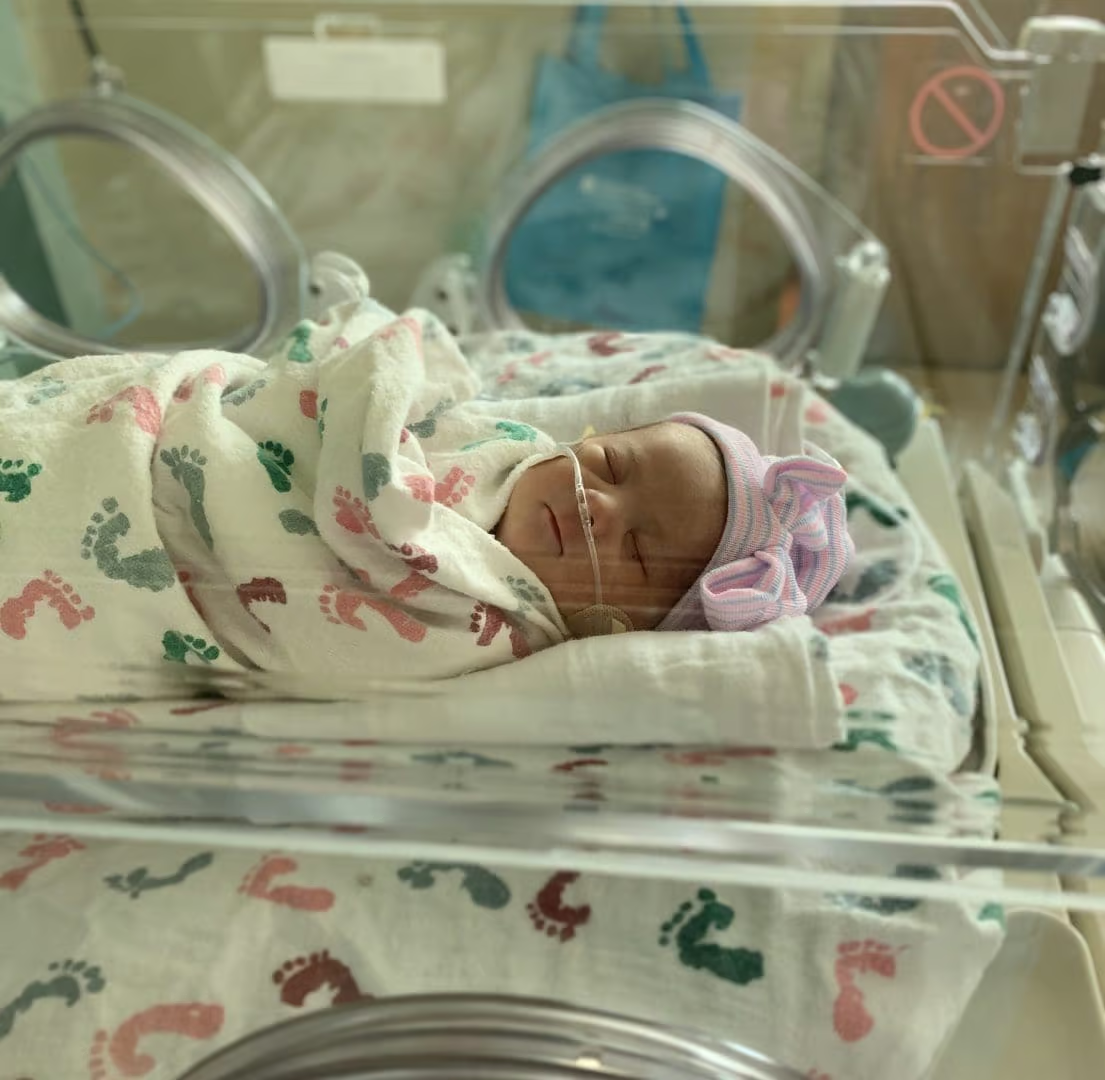
Baby Olivia in the nicu. Olivia was born with Down Syndrome
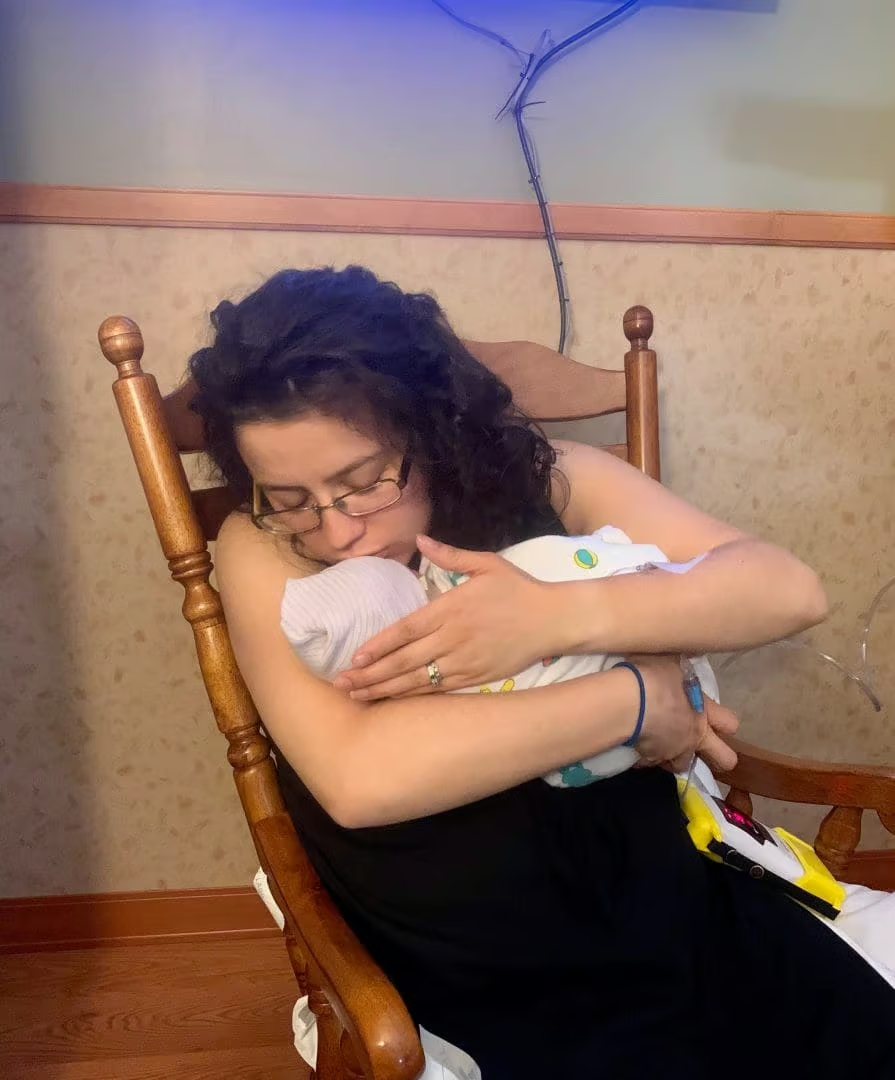
Donor Tiarra holding baby Oliva. She is giving her a kiss.
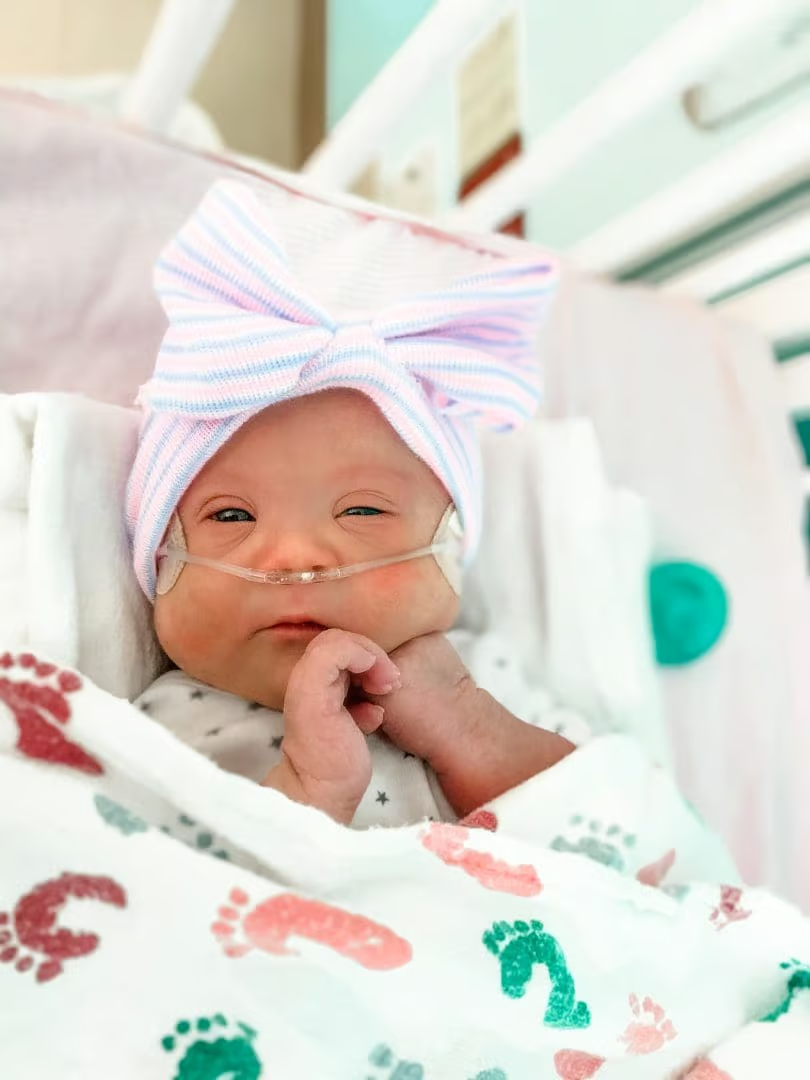
Olivia in the hospital. She has downsyndrome and needed oxygen
Olivia went home and still needed oxygen
Olivia and her big sister

Olivia is a thriving four-year-old now and loves playing with her siblings. A few years after Oliva was born, they welcomed a new baby, and the family adopted another child with Down Syndrome. After her third baby was born, Tiarra became a milk donor once again, continuing the cycle of giving that sweet Olivia inspired years ago.

To Tiarra and all of our other selfless donors out there, thank you! You are making a world of difference for babies and families across the country!

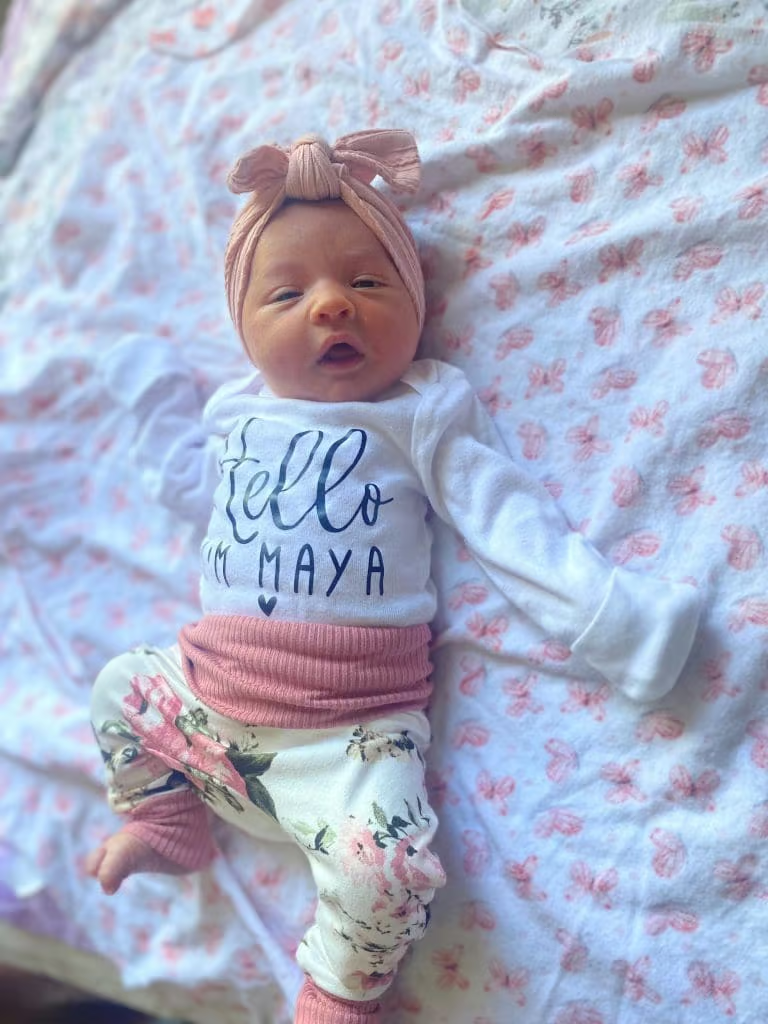
In July 2022, Esther and her family welcomed sweet baby Maya. Esther planned to breastfeed her, just like she did with her two older children, but within days, she found out she wasn’t producing enough milk. They needed to find another solution. Luckily, her team introduced her to donor human milk just as things were starting to get scary.

Esther was worried she would need to supplement with formula. Since Maya was born in the midst of the formula shortage, this was a scary plan. Esther worried she wouldn’t be able to find enough formula and wanted to make sure her baby was well-fed.

When they needed another option, Mothers’ Milk Bank stepped in. The nurses at the hospital used donor human milk to help give Maya the best possible start in life.

“We were so relieved in the hospital,” Esther said. “Donor milk was a game-changer for our family.”

Thanks to our generous community, Maya was able to continue receiving donor human milk after she went home from the hospital, giving Esther peace of mind knowing her baby had the nutrition she needed.

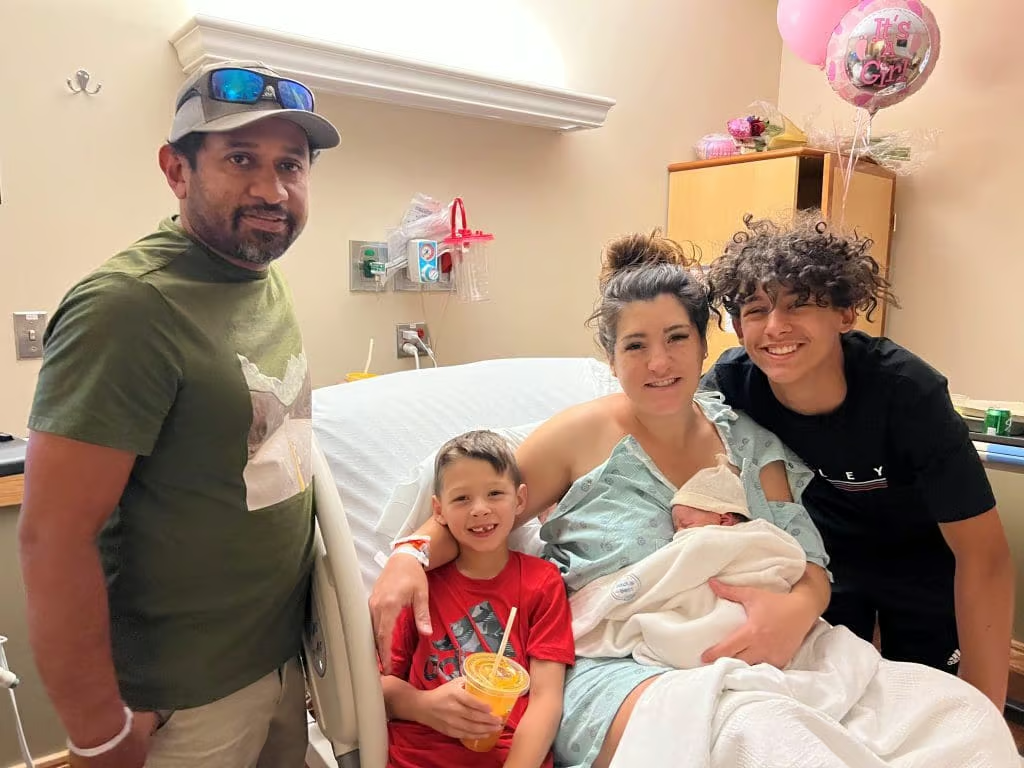
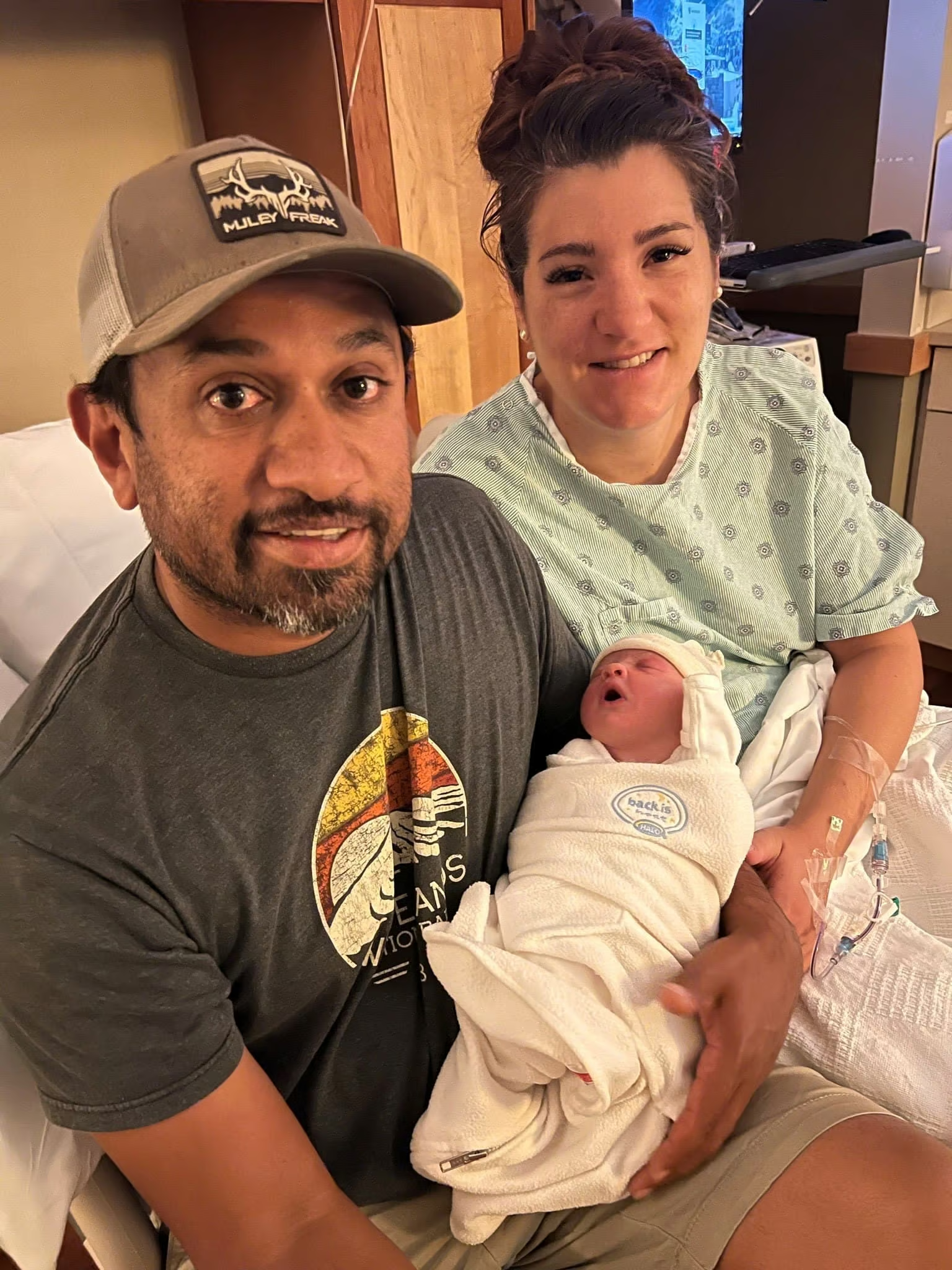
Esther and her family in the hospital after she gave birth to Maya. Maya needed supplementation with donor human milk when Esther's milk didn't come in.